Crustaceans are one of the most familiar and economically important groups of marine animals found in Barnstable Harbor and throughout Cape Cod Bay. This group includes crabs, lobsters, shrimp, and amphipods, all of which play essential roles in the coastal ecosystem. Many crustaceans live along the harbor bottom, in eelgrass beds, salt marsh creeks, and tidal flats, where they feed, grow, and provide food for fish, birds, and marine mammals.
Barnstable Harbor provides excellent habitat for crustaceans because of its mix of shallow water, protected marshes, sandy bottom, and strong tidal flow. These conditions support both juvenile and adult stages of many species. Young crustaceans often use the harbor as a nursery area, where calmer water and abundant food allow them to grow before moving into deeper parts of Cape Cod Bay.
Crustaceans are also closely tied to the harbor’s working waterfront. Lobstering, crabbing, and shellfishing have long been part of the local economy, and many families in Barnstable and surrounding towns have depended on these resources for generations. Healthy crustacean populations rely on clean water, intact marshes, and responsible harvesting practices, making conservation efforts critical to both the environment and the community.
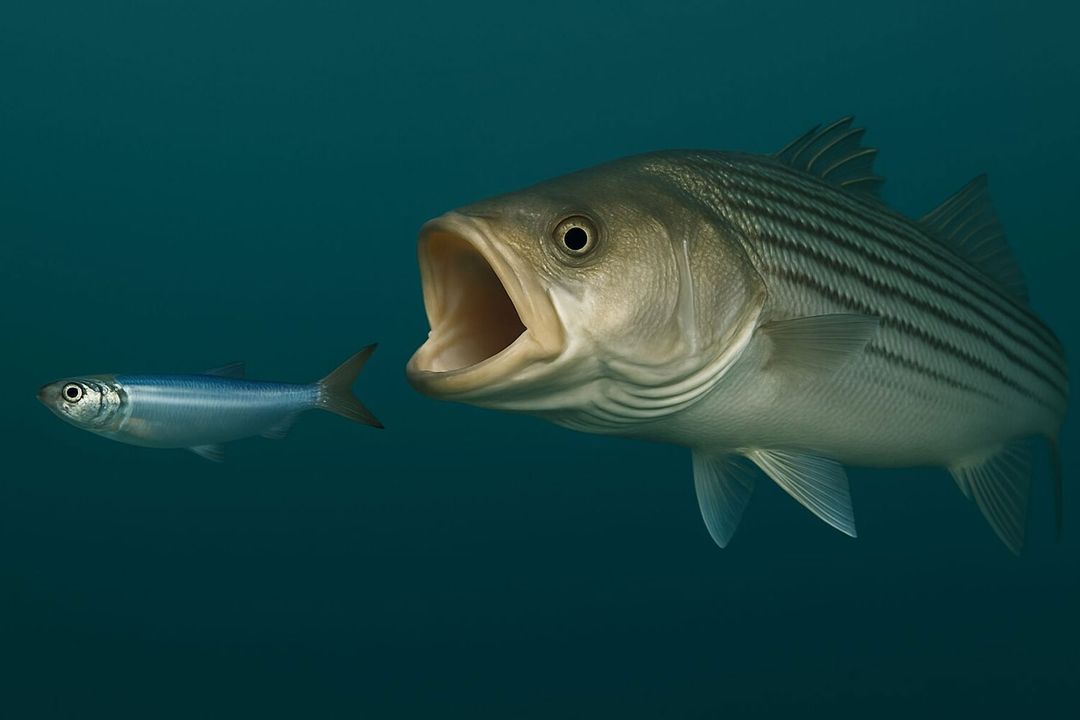
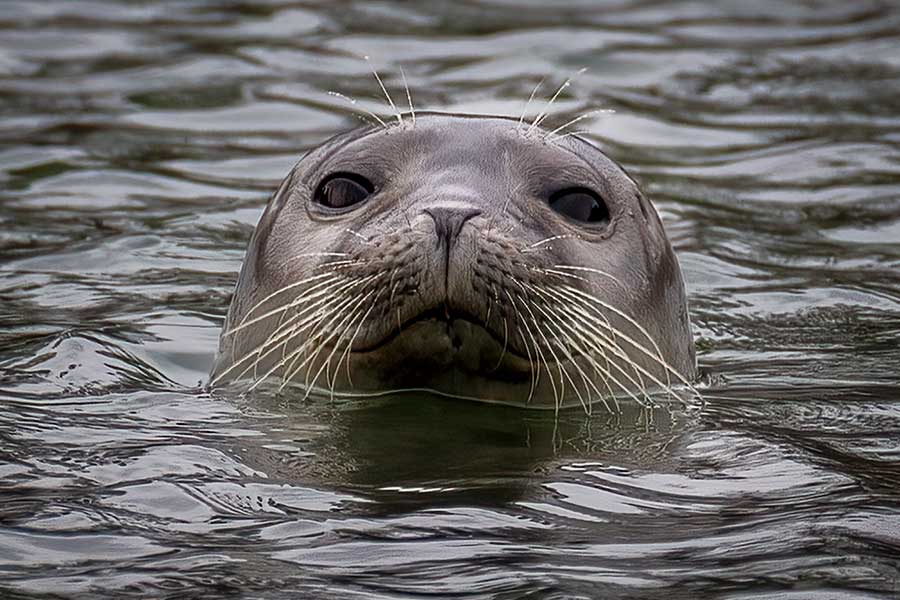
In addition to their economic importance, crustaceans are a key part of the food web. Smaller species feed on plankton and organic material, while larger crabs and lobsters prey on shellfish and other invertebrates. In turn, crustaceans are eaten by striped bass, flounder, seabirds, and seals. Because of this, changes in crustacean populations can affect many other species throughout the harbor.
Crustaceans found in Barnstable Harbor and Cape Cod Bay include:
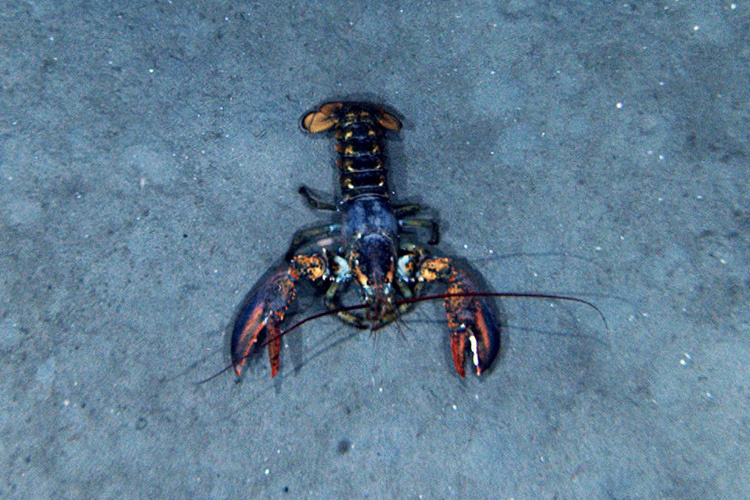
- American Lobster — Homarus americanus
- Jonah Crab — Cancer borealis
- Rock Crab — Cancer irroratus
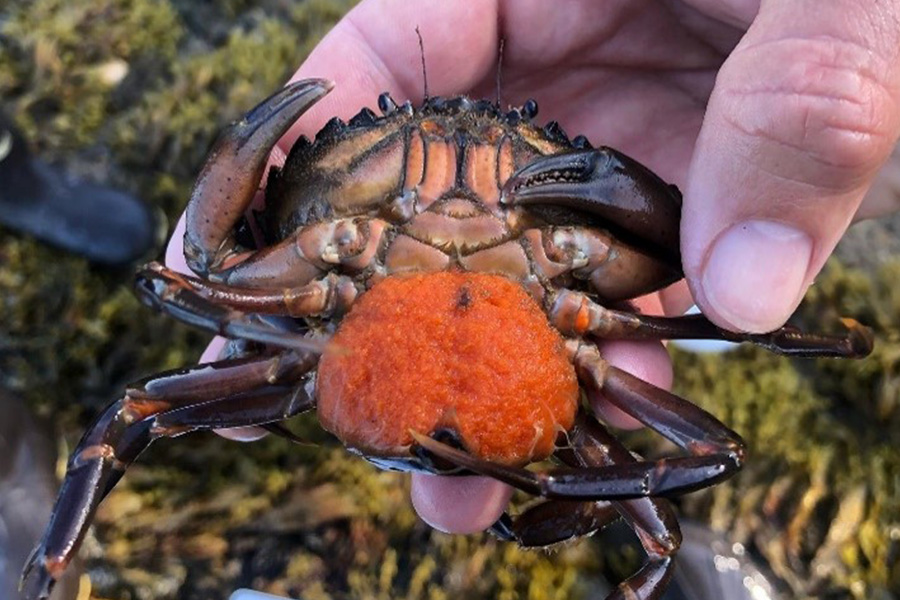
- Green Crab — Carcinus maenas (invasive)
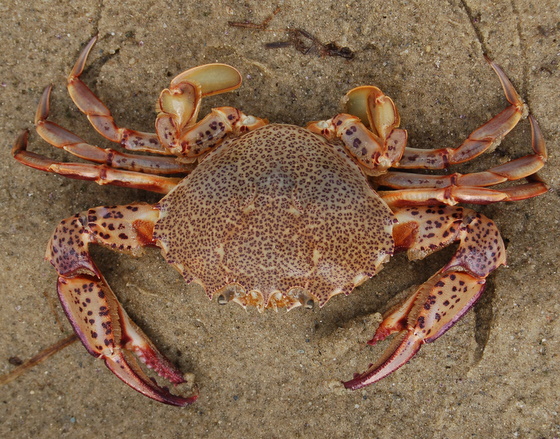
- Lady Crab — Ovalipes ocellatus
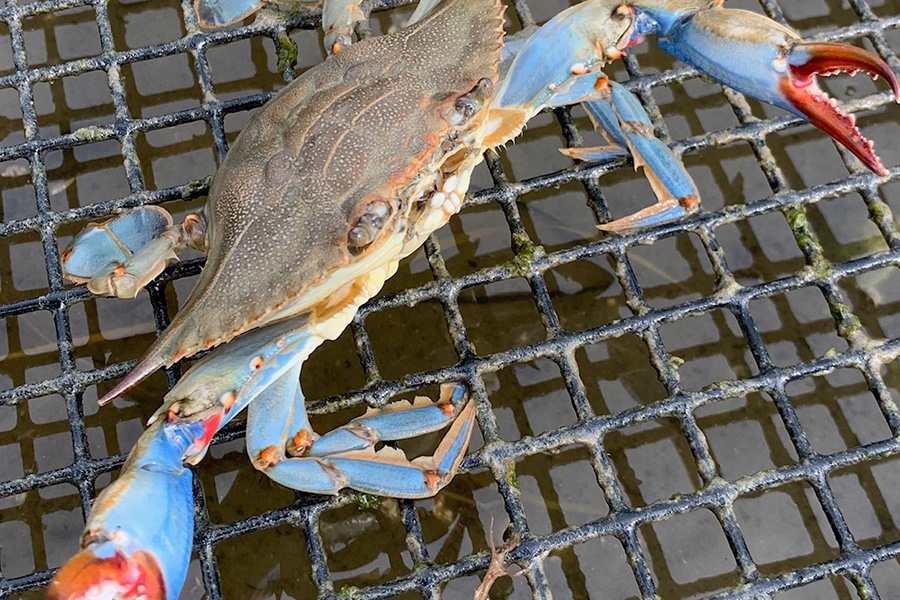
- Blue Crab — Callinectes sapidus (increasingly common in warmer years)
- Sand Shrimp — Crangon septemspinosa
- Grass Shrimp — Palaemonetes pugio
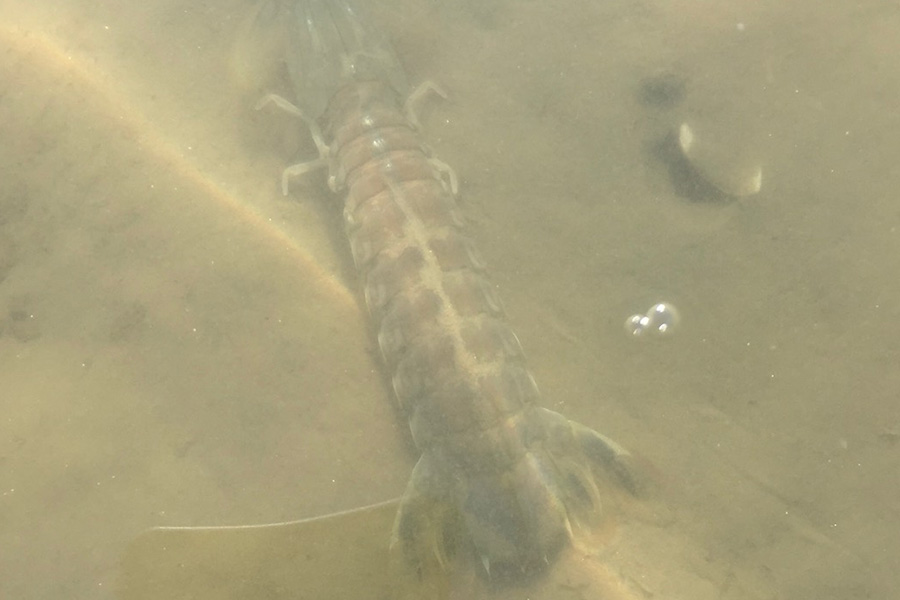
- Mantis Shrimp — Squilla empusa
- Amphipods (various species, including Gammarus spp.)
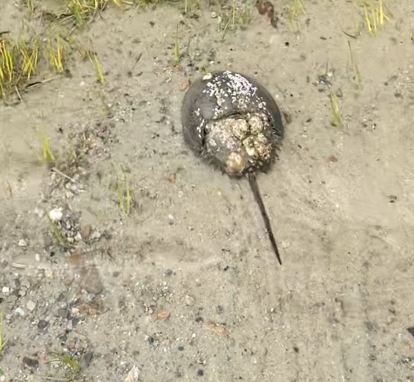
- Horseshoe Crab — Limulus polyphemus (not a true crustacean, but often grouped with them in coastal ecology)
Monitoring crustaceans in Barnstable Harbor helps scientists and local officials understand the overall health of the coastal environment. Changes in water temperature, habitat loss, pollution, and invasive species can all affect these populations. Protecting the harbor’s marshes, eelgrass beds, and water quality ensures that crustaceans will remain a vital part of Barnstable Harbor for generations to come.